Quality Certification

Manufacturing quality systems and certifications supporting reliable flexible PCB production. Coverage includes ISO, IATF, IPC, and medical-related standards, explaining how certified processes contribute to consistent quality, traceability, and compliance across industries.

ISO 13485 Flex PCB Manufacturing: The Process Controls Medical Device Engineers Can’t Afford to Miss

Medical device reliability starts with ISO 13485 flex PCB manufacturing. From validated processes to rigorous documentation, discover why proper certification isn’t optional—it’s essential for patient safety and regulatory compliance in healthcare electronics.

#ISO13485flexPCBmanufacturing #medicaldevicemanufacturing #flexiblePCBquality #ISO13485certification #medicalgradeflexPCB #processvalidation #qualitymanagement #patientafety #medicalelectronics #regulatorycompliance
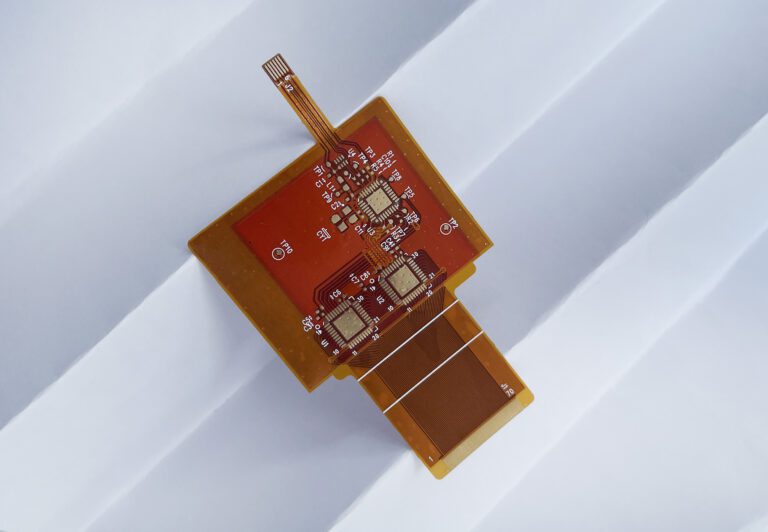

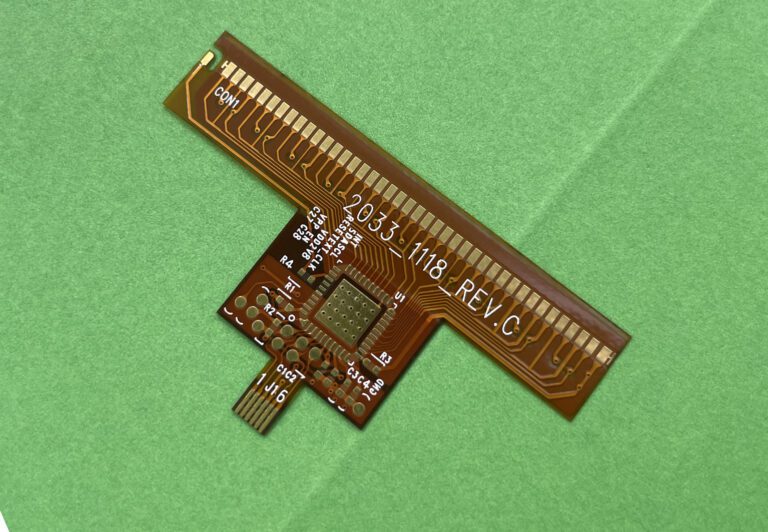
Medical-grade flexible PCB based on polyimide substrate designed for biocompatibility and sterilization compatibility

Medical Grade Flexible PCB Requirements: What Engineering Teams Must Know Before Design Lock

Engineering teams face critical challenges when designing medical-grade flexible PCBs. From biocompatibility validation to IEC 60601-1 compliance and sterilization compatibility, understanding medical grade flexible PCB requirements before design lock prevents costly redesigns and accelerates regulatory approval for life-saving medical devices. #medical grade flexible PCB requirements

Flex PCB Certification Standards: Why Your Flexible Circuit Might Fail Without Them

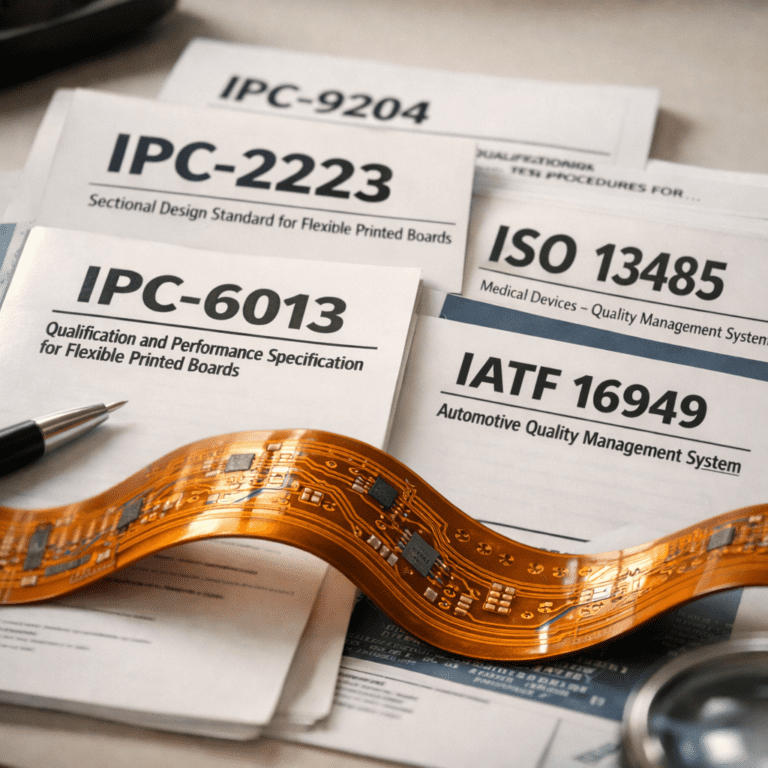
Flexible circuit failures often stem from inadequate certification compliance, risking safety in automotive, medical, and aerospace applications. Understanding IPC-2223, IPC-6013, and ISO standards isn’t optional—it’s essential for reliability, market access, and long-term product success in production-scale electronics. #Flex PCB Certification Standards

Flex PCB Testing Standards: How Quality Assurance Protocols Prevent Field Failures in High-Volume Production

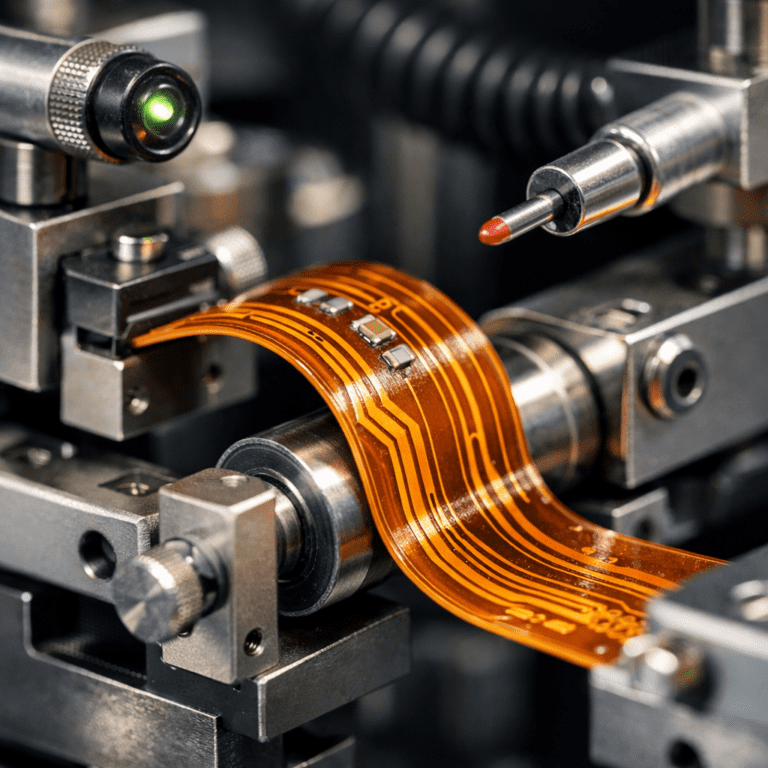
Quality failures in flex PCBs multiply into thousands of field disasters during high-volume production. Understanding IPC-2223, IPC-TM-650, and IPC-6013 testing standards—from peel strength to thermal cycling—prevents catastrophic recalls and protects your brand reputation in medical, automotive, and consumer electronics applications.

#Flex PCB Testing Standards

IATF 16949 Certified FPCB: Why Your Automotive PCB Supplier’s Certificate Actually Matters More Than Price

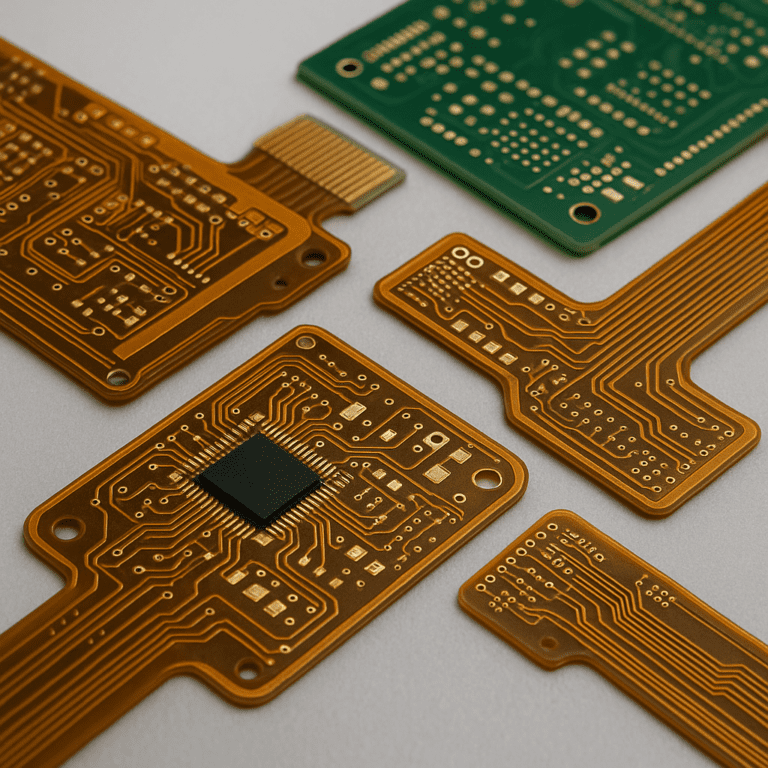
Looking for automotive FPCB suppliers? IATF 16949 certification isn’t just paperwork—it’s your protection against million-dollar recalls. Certified manufacturers deliver 99.994% defect-free production through systematic quality controls that uncertified competitors can’t match, transforming your supply chain from risk liability to strategic advantage. #IATF 16949 Certified FPCB

IATF 16949 Certification Cost: What Your Implementation Budget Really Needs (And Where Companies Often Underestimate)

Looking to understand the true financial commitment for automotive quality certification? IATF 16949 implementation costs range from $85,000-$145,000 for mid-sized manufacturers, but hidden internal expenses—staff time, equipment upgrades, and productivity impacts—often double initial budgets. Here’s what actually drives costs and where suppliers consistently underestimate.

#IATF 16949 Certification Cost

Scroll to Top