Apex Flex PCB Design & Manufacturing Insights

Flexible Interconnection: The Hidden Engineering Challenge Transforming Wearables, EVs, and Medical Devices

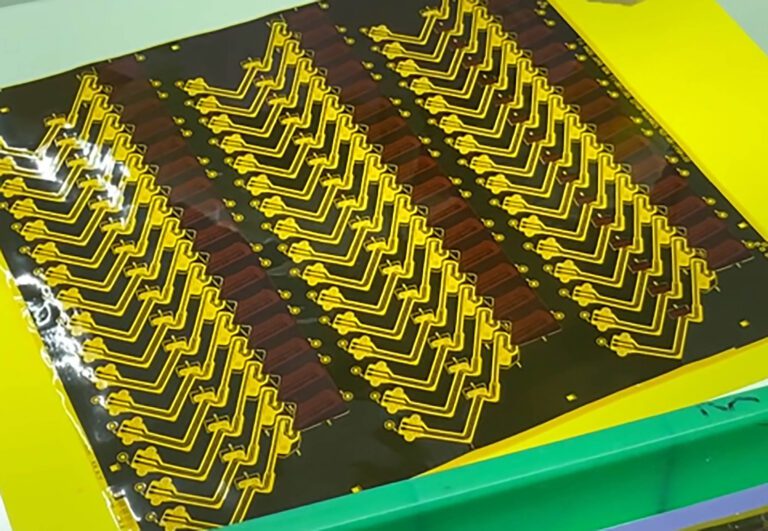
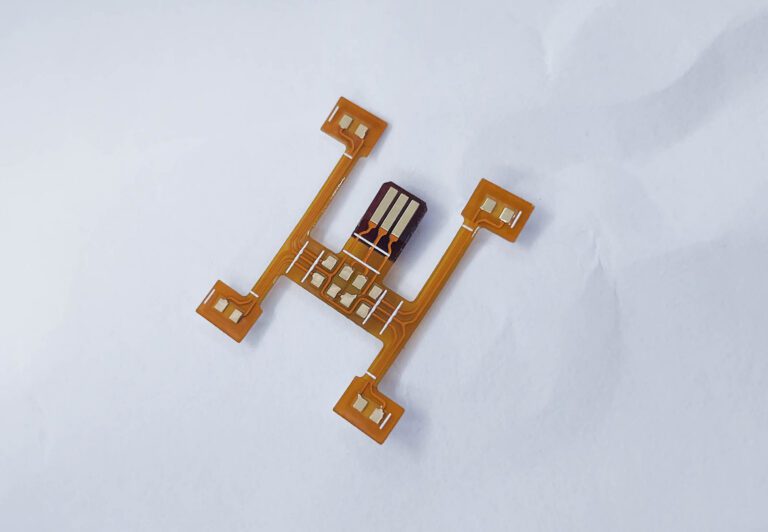
Modern electronics face a critical engineering challenge: maintaining electrical integrity in circuits that bend, twist, and flex thousands of times. From EV battery systems to medical implants, flexible interconnection technology separates reliable products from field failures—demanding sophisticated material selection, advanced design methodologies, and manufacturing expertise. #flexible interconnection

Rigid-Flex PCB Manufacturing: How Production Processes and Quality Control Deliver Reliable Multi-Layer Assemblies

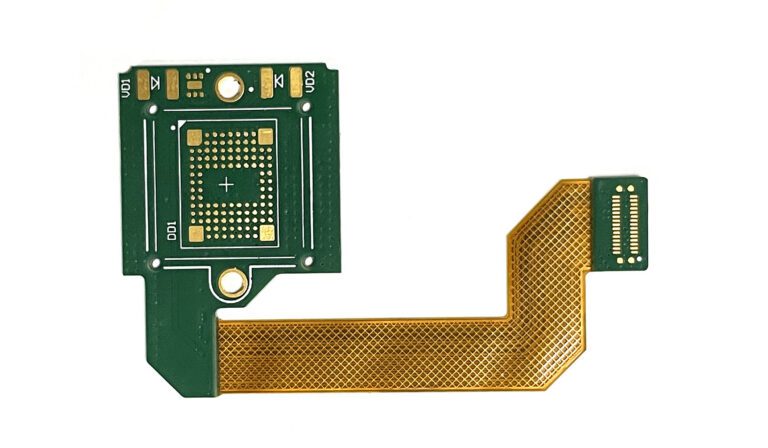
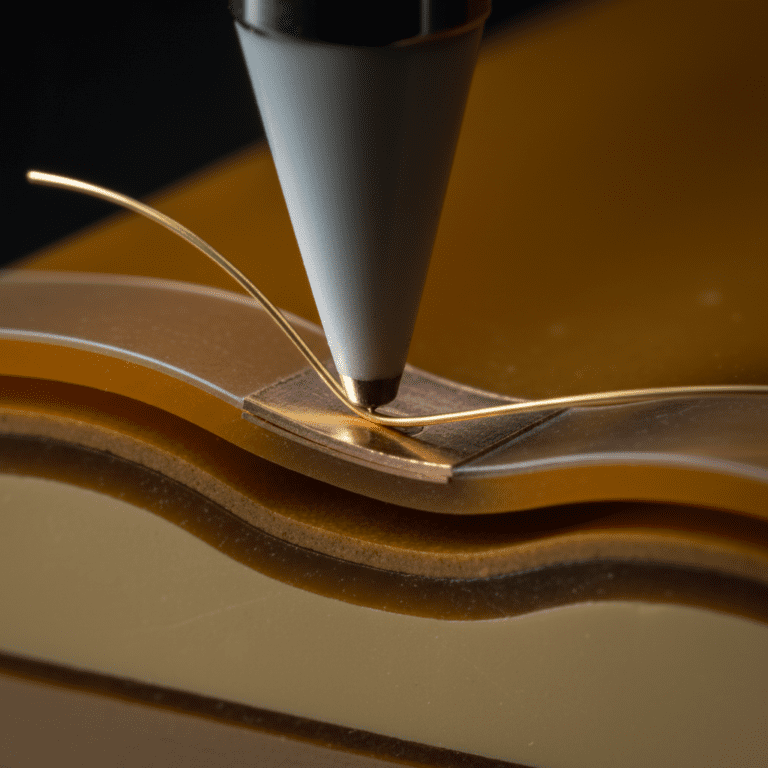
Rigid-flex PCBs blend flexible and rigid circuits into reliable, space-saving assemblies that eliminate connectors and reduce failure points by 87%. Success demands precision manufacturing—from material prep and sequential lamination to multi-stage quality control—ensuring boards withstand extreme conditions in aerospace, medical, and automotive applications.

#rigid flex pcb manufacturing

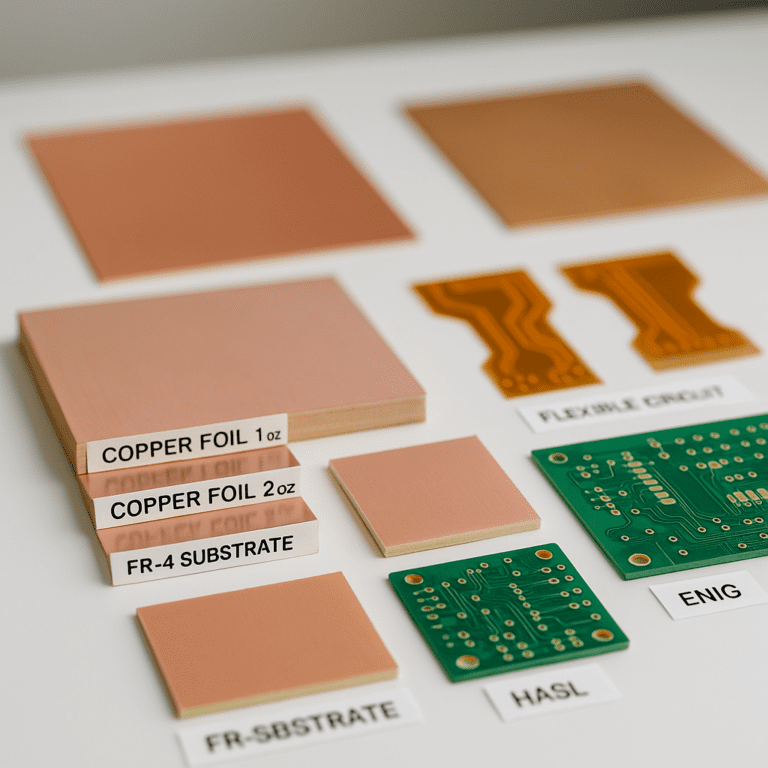
Flexible PCB Material Selection: Engineering the Right Substrate for Your Application’s Unique Demands

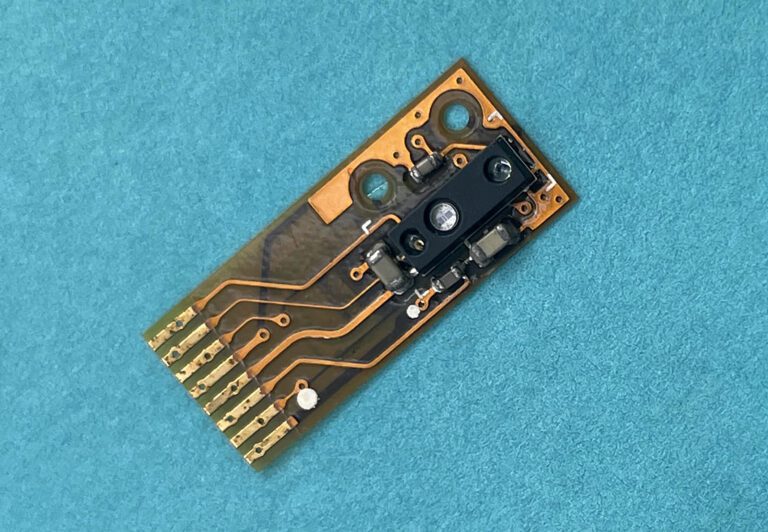
Material choice isn’t just a design checkbox—it’s the strategic decision separating successful products from costly redesigns. After manufacturing flexible PCBs for two decades, from automotive harnesses to medical wearables, we’ve seen how proper substrate selection transforms ambitious designs into production realities while preventing painful delays and failures.

#Flexible PCB Material Selection

Automotive Flex PCB Design: Why 60% of Failures Start Before Manufacturing

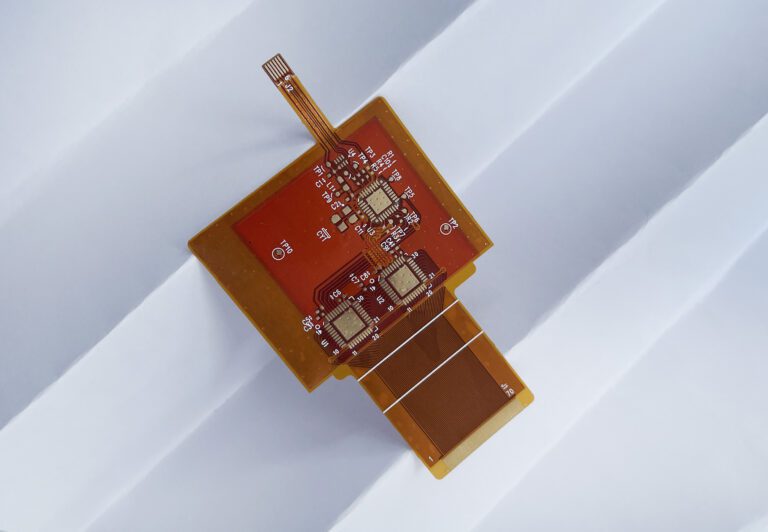
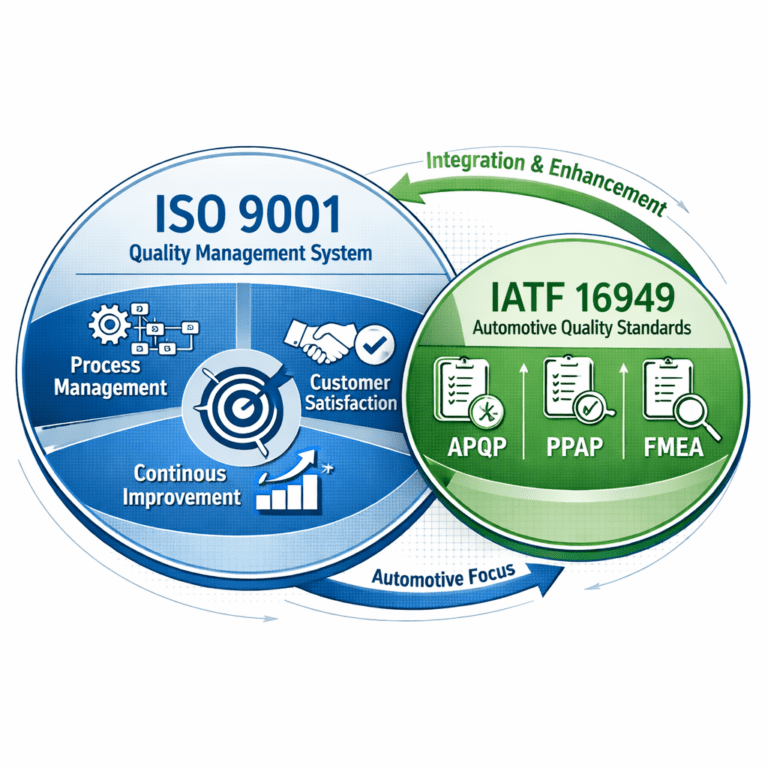
Industry data shows 60% of automotive flex PCB failures stem from design-phase mistakes, not manufacturing defects. Learn the critical bend radius, impedance control, and material selection decisions that determine reliability—before your first prototype fails. Engineers must design to IPC-6013 Class 3 and ISO 16750 from day one. #Automotive Flex PCB

Scroll to Top