Apex Flex PCB Design & Manufacturing Insights

TPU Flexible PCB vs Polyimide: Which Substrate Powers Your Stretchable Electronics Design?

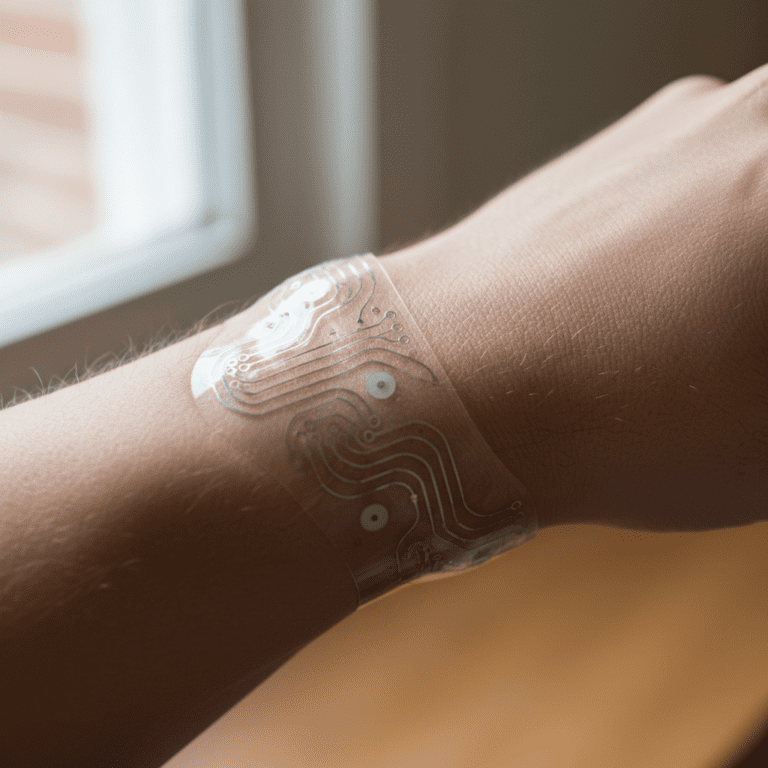
Choosing between TPU and Polyimide substrates determines your stretchable electronics’ success. TPU delivers extreme flexibility for wearables, while Polyimide offers unmatched thermal stability for high-temperature applications. This comparison guides engineers through mechanical properties, electrical performance, and manufacturing considerations to optimize design reliability. #TPU flexible PCB vs polyimide

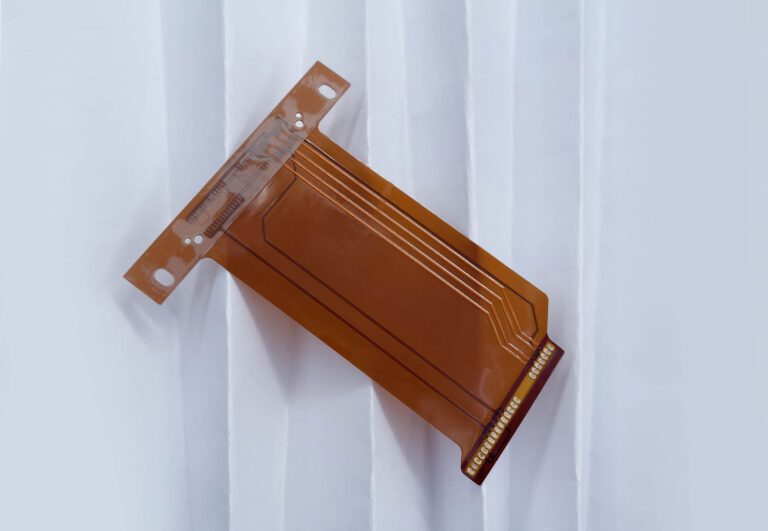
Medical-grade flexible PCB based on polyimide substrate designed for biocompatibility and sterilization compatibility

Medical Grade Flexible PCB Requirements: What Engineering Teams Must Know Before Design Lock

Engineering teams face critical challenges when designing medical-grade flexible PCBs. From biocompatibility validation to IEC 60601-1 compliance and sterilization compatibility, understanding medical grade flexible PCB requirements before design lock prevents costly redesigns and accelerates regulatory approval for life-saving medical devices. #medical grade flexible PCB requirements

25 Micron Flex PCB Challenges: Why Ultra-Fine Features Demand Precision Over Speed

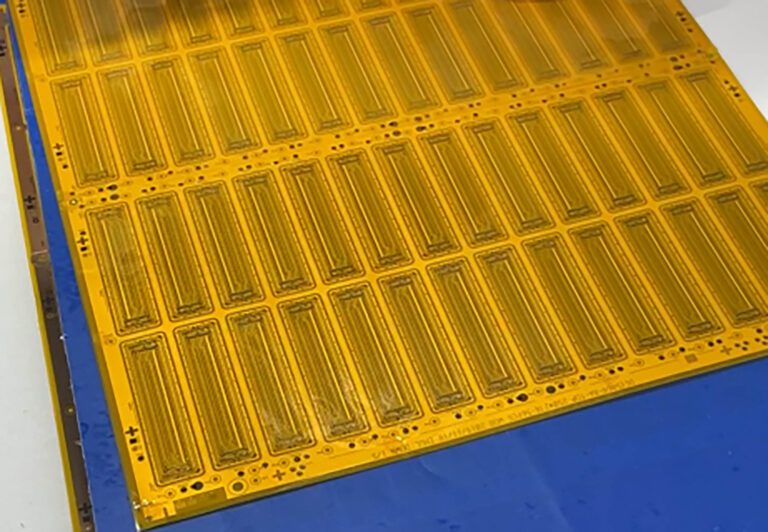
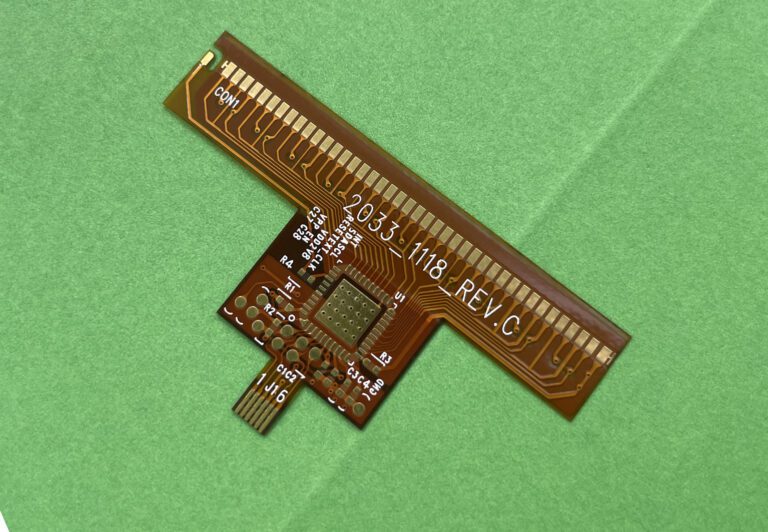
Ultra-fine 25 micron flex PCBs push manufacturing to its limits, where misalignments of just microns spell disaster. Success demands precision engineering, validated processes, and certified expertise—not speed shortcuts. Learn why partnering with experienced manufacturers makes all the difference in ultra-high-density flexible circuits.

#25 micron flex PCB challenges

Scroll to Top