
In the world of modern electronics, it’s often what you don’t see that matters most. Behind the sleek exteriors of your smartphones, electric vehicles, medical devices, and countless other innovations lies an invisible hero – the flexible printed circuit board (FPCB). These remarkable components serve as the nervous system of our electronic devices, enabling functionality while remaining completely hidden from view. But make no mistake – the quality of these flexible PCBs directly determines how well your devices perform.
The Hidden Foundation of Modern Electronics
Flexible PCBs have revolutionized electronic design, offering a versatile alternative to rigid circuit boards that can bend, fold, and conform to three-dimensional spaces. These adaptable circuit platforms have become essential in industries where space constraints, weight considerations, and complex geometries present significant challenges.
From the intricate inner workings of smartphones to life-saving medical implants, from advanced driver assistance systems in electric vehicles to cutting-edge aerospace applications, high-quality flexible PCB manufacturers enable the innovations that shape our world. The beauty of flexible circuits lies in their ability to disappear into designs while simultaneously elevating performance capabilities.
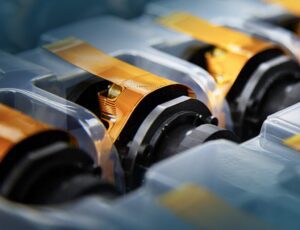
Consider the modern drone or eVTOL (Electric Vertical Takeoff and Landing) aircraft. These marvels of engineering rely on flexible PCBs to pack sophisticated electronics into incredibly limited spaces. The same is true for AR wearables and AI glasses, where rigid components would make devices unwearable. Even beauty tech gadgets and smart helmets for F1 racing depend on the invisible magic of flexible circuits.
As devices become increasingly compact and feature-rich, the demand for high-performance flexible PCBs continues to grow. According to industry analysis, the global flexible PCB market is projected to expand significantly in the coming years, driven by miniaturization trends and the proliferation of wearable technologies.
The Anatomy of Excellence: What Makes a High-Quality Flexible PCB
A high-quality flexible PCB manufacturer understands that excellence begins with materials. Unlike rigid PCBs that typically use FR-4 fiberglass, flexible circuits rely on specialized materials engineered for bendability, durability, and performance under stress.
Material Composition
Polyimide stands as the gold standard substrate for premium flexible PCBs, offering outstanding thermal stability (withstanding temperatures up to 400°C), excellent chemical resistance, and remarkable mechanical strength. This advanced polymer enables the creation of ultra-thin designs – some as thin as 25 microns with gold plating on double-sided flex PCBs – while maintaining reliability under repeated flexing.
Some high-quality flexible PCB manufacturers have begun exploring alternative materials like polyester for less demanding applications, and even TPU (Thermoplastic Polyurethane) circuits for specialized uses requiring stretchability and biocompatibility, such as medical wearables.
The conductive layers typically consist of high-grade copper foil ranging from 18-70μm thickness, precision-bonded to the substrate using specialized adhesives designed to maintain bond integrity through countless flex cycles. For applications demanding the utmost reliability – like aerospace controls or medical implants – manufacturers often implement adhesiveless constructions to eliminate potential failure points.
Layer Configuration
Modern electronics demand increasingly complex layer structures. Leading high-quality flexible PCB manufacturers excel at producing sophisticated multilayer designs:
– Single-layer flexible circuits: The simplest configuration, ideal for basic interconnections
- Double-sided flexible PCBs: Providing greater circuit density while maintaining flexibility
- Multilayer flexible boards: Incorporating up to 8 layers for complex applications
- Rigid-flex hybrids: Combining rigid and flexible areas within a single board (up to 12 layers)
Each configuration requires specialized manufacturing processes to ensure signal integrity and mechanical reliability. The layer stackup design becomes particularly critical in applications like optical transceivers, where signal loss must be minimized.
Thermal Management
As electronic devices pack more power into smaller spaces, heat management becomes crucial. Advanced flexible PCBs incorporate innovative thermal solutions:
– Thermal vias and copper coin technologies
- Integration of heat-dissipating materials
- Proprietary flexible heat dissipation flow channels
These thermal management features prove essential in high-power applications such as electric vehicle control systems, where component temperatures must remain within operational limits despite significant power draw.
Advantages That Drive Innovation
The benefits of high-quality flexible PCBs extend far beyond their ability to bend. Their unique characteristics make them indispensable for cutting-edge applications across multiple industries.
Space Efficiency
Flexible PCBs can fold into three dimensions, conforming to available space rather than requiring designated mounting areas. This 3D packaging capability allows engineers to utilize otherwise wasted space, resulting in up to 60% size reduction compared to rigid board solutions.
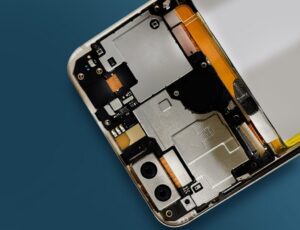
In smartphone design, this space efficiency enables the inclusion of larger batteries and additional features. For telecommunications equipment like optical transceivers, flexible circuits allow for higher port density and improved signal routing in limited spaces.
Weight Reduction
The lightweight nature of flexible circuits – often 75% lighter than their rigid counterparts – makes them ideal for applications where every gram matters. This weight advantage becomes particularly significant in:
– Low-altitude airspace vehicles (drones, air taxis)
- Aerospace systems
- Portable medical devices
- Wearable technology
For example, in a modern electric vehicle, replacing traditional wiring harnesses with flexible PCBs can reduce weight by hundreds of pounds, directly improving energy efficiency and range.
Enhanced Reliability
Perhaps counterintuitively, flexible PCBs often demonstrate superior reliability compared to rigid boards. Their ability to absorb vibration and withstand repeated flexing results in fewer connection failures over time.
By eliminating connectors between board sections (a common failure point in electronic assemblies), flexible circuits reduce potential points of failure. This reliability advantage proves critical in:
– Automotive safety systems
- Medical implantable devices
- Industrial control systems operating in harsh environments
- Aerospace applications where maintenance access is limited
Design Flexibility
The adaptability of flexible PCBs empowers engineers to create previously impossible designs. This freedom manifests in several ways:
– Dynamic applications where circuits must bend during normal operation
- Complex three-dimensional assemblies that would otherwise require multiple interconnected boards
- Products with unusual form factors or space constraints
- Devices requiring selective flexibility in specific areas (rigid-flex designs)
This design flexibility has enabled innovations like foldable smartphones, ultra-compact medical imaging devices, and advanced driver assistance systems that must fit within tight automotive spaces.
Manufacturing Excellence: The Secret to Superior Performance
The exceptional capabilities of flexible PCBs rely entirely on manufacturing excellence. A high-quality flexible PCB manufacturer employs specialized techniques that exceed standard industry practices.
Precision Material Handling
Working with ultra-thin materials requires exceptional precision. Top manufacturers implement:
– Advanced tension control systems to prevent material distortion
- Controlled environment processing to maintain dimensional stability
- Specialized handling equipment to prevent damage during manufacturing
These precautions ensure that the delicate substrate materials maintain their integrity throughout the manufacturing process, resulting in consistent electrical performance.
Advanced Imaging and Etching
Creating fine circuit features on flexible materials demands specialized processes:
– High-resolution direct imaging systems capable of producing lines/spaces as fine as 2/2mil
- Precision etching techniques that maintain consistent trace profiles
- Specialized equipment designed specifically for flexible materials
These advanced imaging and etching capabilities enable the creation of high-density interconnects (HDI) on flexible substrates, supporting the miniaturization trends driving modern electronics.
Laser Processing Technology
Laser technology has revolutionized flexible PCB manufacturing:
– Precision laser drilling creates microvias impossible with mechanical methods
- Laser cutting produces clean, precise board outlines without mechanical stress
- Laser direct structuring enables creation of complex 3D circuit patterns
Laser processes eliminate mechanical stresses that could compromise the integrity of delicate flexible circuits, improving reliability and yield rates.
Specialized Testing Methodologies
The unique nature of flexible PCBs requires customized testing approaches:
– Dynamic flex testing simulates real-world bending and flexing scenarios
- Environmental stress testing validates performance under extreme conditions
- Automated optical inspection (AOI) systems designed for flexible materials
These specialized testing methodologies ensure that flexible circuits will perform reliably throughout their operational lifetime, even in demanding applications.
The Invisible Advantage: Why Expertise Matters
When selecting a flexible PCB partner, manufacturing expertise makes all the difference. A high-quality flexible PCB manufacturer brings more than just production capability – they deliver engineering partnership, material expertise, and quality assurance that elevate the entire product development process.
This expertise becomes particularly valuable when developing products for specialized industries like medical devices (requiring ISO 13485 certification), automotive systems (demanding IATF 16949 compliance), or aerospace applications (needing specialized reliability testing).
The best manufacturers offer comprehensive services spanning the entire product lifecycle:
– Design consultation and DFM (Design for Manufacturing) analysis
- Material selection guidance based on application requirements
- Prototyping with rapid turnaround capabilities
- Volume production with stringent quality controls
- Assembly services that reduce supply chain complexity
By partnering with a high-quality flexible PCB manufacturer like Flex Plus (Xiamen) Co., Ltd, companies gain access to two decades of specialized experience and advanced capabilities like flexible substrate Chip-on-Board (COB) integration, allowing for even greater miniaturization and functionality.
Conclusion: Excellence You Can’t See, Performance You Can Feel
The invisible components inside your devices fundamentally determine their performance, reliability, and capabilities. High-quality flexible PCBs represent the pinnacle of electronic interconnect technology, enabling innovations that would otherwise remain impossible.
As technology continues advancing toward smaller, lighter, more capable devices, the importance of flexible circuit quality will only increase. From electric vehicles to medical implants, from telecommunications infrastructure to aerospace systems, the invisible excellence of flexible PCBs will continue shaping our technological future.
For companies developing next-generation electronic products, partnership with a high-quality flexible PCB manufacturer provides a competitive edge that extends far beyond basic manufacturing. It delivers the expertise, quality, and innovation needed to create products that truly stand apart.
The secret to electronic excellence often lies in the components you never see – but their impact is felt in every aspect of device performance.