
In the ever-evolving landscape of modern technology, flexible circuit substrate materials have emerged as the unsung heroes driving innovation across industries. As explored in our guide on the science behind everyday tech devices These foundational materials might not capture headlines like the latest smartphone features or AI breakthroughs, but they form the critical backbone enabling the sleek, lightweight, and increasingly flexible devices we rely on daily. As miniaturization trends continue and consumer expectations for thinner, more durable electronics grow, the importance of these specialized substrate materials has never been greater.
Flexible circuit substrate materials represent the physical foundation upon which next-generation electronic devices are built. Much like how a building’s foundation determines what architectural possibilities exist above it, these materials establish the parameters for what can be achieved in electronic design. The revolution in wearables, foldable smartphones, advanced medical devices, and cutting-edge automotive systems would be impossible without these specialized materials working silently behind the scenes.
The Critical Performance Characteristics of Flexible Circuit Substrates
The exceptional functionality of flexible circuit substrate materials stems from several key performance characteristics that determine their suitability for specific applications. Understanding these properties is essential for design engineers seeking to optimize their electronic products.
Mechanical Flexibility
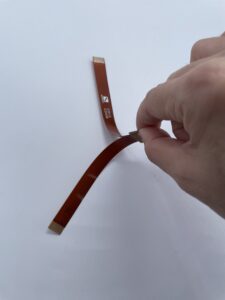
Perhaps the most defining characteristic, mechanical flexibility allows these substrates to bend, fold, and twist without compromising electrical performance. This property enables designs that conform to three-dimensional spaces and withstand repeated flexing—crucial for applications in smartphones, wearable technology, and automotive systems. The ability to maintain performance through thousands of flex cycles distinguishes premium flexible substrates from basic alternatives.
Thermal Stability
Modern electronics generate significant heat during operation. High-quality flexible circuit substrate materials must maintain dimensional stability and electrical properties across wide temperature ranges—often from -40°C to +150°C for automotive applications. Thermal stability ensures reliable performance in challenging environments, from aerospace systems exposed to extreme conditions to medical devices requiring sterilization procedures.
Electrical Properties
The dielectric constant (Dk) and loss tangent of flexible circuit substrate materials directly impact signal integrity, especially at high frequencies. Materials with consistent electrical properties enable precise impedance control and minimize signal losses, critical for high-speed data transmission in telecommunications equipment and advanced sensor systems. Lower dielectric constants generally allow faster signal propagation with less interference.
Chemical Resistance
Exposure to moisture, oils, fuels, cleaning agents, and other chemicals can degrade inferior substrates. Premium flexible circuit substrate materials offer superior resistance to chemical exposure, maintaining their integrity in harsh industrial environments, medical applications requiring sterilization, and consumer electronics exposed to daily contaminants.
Dimensional Stability
Despite their flexibility, these materials must maintain precise dimensions during manufacturing processes involving significant temperature changes. Low coefficient of thermal expansion (CTE) values ensure that circuit traces align properly and components remain precisely positioned, essential for the increasing miniaturization of electronic devices.
Common Types of Flexible Circuit Substrate Materials
The flexible circuit industry utilizes several primary substrate materials, each offering distinct advantages for specific applications.
Polyimide-Based Substrates
Polyimide dominates the flexible circuit substrate materials market due to its exceptional combination of properties:
- Temperature resistance: Withstands temperatures up to 400°C, making it suitable for lead-free soldering processes
- Dimensional stability: Maintains critical dimensions during manufacturing
- Chemical resistance: Resists damage from solvents and processing chemicals
- Mechanical durability: Survives millions of flex cycles without degradation
- Electrical performance: Provides consistent electrical properties across frequencies
These characteristics make polyimide the preferred choice for high-reliability applications in aerospace, medical devices, and automotive systems where failure is not an option. Despite its higher cost compared to alternatives, polyimide remains the gold standard for demanding flexible circuit applications, accounting for approximately 85% of the market.
Polyester (PET) Substrates
Polyester offers a cost-effective alternative to polyimide for less demanding applications:
- Cost efficiency: Typically 40-60% less expensive than polyimide
- Adequate flexibility: Suitable for applications with limited flex requirements
- Temperature limitations: Maximum operating temperature around 150°C
- Good electrical properties: Consistent dielectric performance for standard applications
Polyester flexible circuit substrate materials find frequent use in consumer electronics, disposable medical sensors, and RFID applications where cost sensitivity outweighs extreme performance requirements. Their limited temperature resistance makes them unsuitable for lead-free soldering processes, often requiring conductive adhesives instead.
Paper-Based and Emerging Substrates
Paper and other cellulose-based substrates represent an environmentally friendly alternative gaining traction in specific applications:
- Biodegradability: Reduces environmental impact
- Low cost: Economical for high-volume, disposable applications
- Limited performance: Suitable only for basic electrical functions
- Moisture sensitivity: Requires additional protection in humid environments
These substrates are finding increasing application in disposable electronics, smart packaging, and eco-conscious consumer products. Recent innovations in paper-based flexible circuit substrate materials have improved their performance while maintaining environmental benefits.
Emerging substrates including liquid crystal polymers (LCPs) and modified polyimide formulations continue to expand the performance envelope, offering enhanced characteristics for specialized applications in 5G communications, automotive radar systems, and advanced medical implants.
Selection Guidelines for Design Engineers
Choosing the optimal flexible circuit substrate material requires balancing multiple factors specific to each application:
Application Requirements Analysis
Begin by thoroughly defining the operating environment:
- Temperature range: Maximum and minimum temperatures during operation and processing
- Flex requirements: Number of flex cycles, bend radius, and direction
- Environmental exposure: Chemicals, moisture, UV radiation
- Expected product lifetime: Consumer (2-3 years) vs. industrial/medical (5-10+ years)
Circuit Complexity Considerations
More complex designs generally benefit from premium substrate materials:
- Line width/spacing: Finer features require superior dimensional stability
- Layer count: Multilayer flexible circuits demand materials with consistent performance across layers
- Component density: Higher density increases thermal management requirements
Cost vs. Performance Evaluation
While premium flexible circuit substrate materials like advanced polyimide formulations offer superior performance, their cost impact must be justified:
- Production volume: Higher volumes may justify more expensive materials through improved yields
- Failure consequences: Medical and aerospace applications warrant premium materials despite cost
- Value engineering: Consider hybrid designs using premium materials only where needed
Supplier Capabilities Assessment
Not all manufacturers possess equal capabilities with all substrate types:
- Manufacturing expertise: Verify experience with your selected material
- Quality certifications: ISO 9001, ISO 13485 for medical, IATF 16949 for automotive
- Material sourcing: Established relationships with quality material suppliers
Advanced Manufacturing and Innovation in Flexible Substrates
At Flex Plus (Xiamen) Co., Ltd, we understand that innovative flexible circuit substrate materials require equally innovative manufacturing approaches. Our 8,000+ square meter facility incorporates advanced production lines specifically optimized for flexible and rigid-flex circuits, allowing us to push the boundaries of what’s possible with these materials.
Since 2004, our team has developed specialized processes that maximize the performance of various flexible circuit substrate materials. This experience allows us to offer guidance beyond material selection, incorporating manufacturing considerations that impact overall product success. Our sheet-by-sheet processing capabilities ensure consistent quality across production runs of all sizes.
Our certification to international standards including ISO 9001, ISO 13485, and IATF 16949 demonstrates our commitment to quality across diverse industries. This certification framework ensures that our flexible circuit substrate materials handling and processing meet the strictest requirements for medical, automotive, and other demanding applications.
Flexible Substrates Enabling Next-Generation Applications
The strategic importance of flexible circuit substrate materials becomes clear when examining how they enable innovation across industries:
Medical Technology Revolution
Flexible substrates are transforming medical devices through:
- Implantable electronics: Ultra-thin polyimide substrates enable biocompatible devices
- Wearable diagnostics: Comfortable, conformable monitors using flexible circuits
- Surgical tools: Miniaturized instruments incorporating flexible circuits in tight spaces
Our ISO 13485 certification demonstrates our commitment to maintaining the highest standards for medical device manufacturing, ensuring that flexible circuits for critical applications meet rigorous quality requirements.
Automotive Innovation
Modern vehicles incorporate dozens of flexible circuits, with applications including:
- Advanced driver assistance systems: Cameras and sensors using flexible interconnects
- Lighting systems: Conformable circuits enabling innovative designs
- Dashboard displays: Thin, lightweight connections for information systems
As the automotive industry continues its electric transformation, flexible circuit substrate materials play an increasingly critical role in battery management systems, charging infrastructure, and weight reduction initiatives. Our IATF 16949 certification ensures that our automotive customers receive components meeting the industry’s stringent reliability standards.
Aerospace and Defense Applications
The extreme demands of aerospace applications make high-performance flexible circuit substrate materials essential:
- Weight reduction: Critical for improving fuel efficiency
- Reliability in extreme environments: Temperature, vibration, and pressure variations
- Space-constrained installations: Flexible circuits navigate complex geometries
Consumer Electronics Evolution
The consumer devices we use daily rely extensively on flexible circuit substrate materials:
- Smartphone miniaturization: Flexible circuits connect components in increasingly tight spaces
- Wearable technology: Comfortable, durable devices conform to body contours
- Foldable displays: Advanced flexible circuits enable revolutionary form factors
Conclusion: The Foundation of Future Innovation
As we look toward the future of electronics, flexible circuit substrate materials will continue to serve as the hidden blueprint behind tomorrow’s technological revolution. These materials enable the ongoing trends of miniaturization, improved reliability, and enhanced functionality that drive progress across industries.
The selection of appropriate flexible circuit substrate materials represents a critical design decision with far-reaching implications for product performance, reliability, and cost. Learn more about advanced flex PCB material options for your next design. By understanding the unique properties of these materials and partnering with experienced manufacturers, design engineers can leverage these remarkable substrates to create innovative solutions for challenging applications.
At Flex Plus (Xiamen) Co., Ltd, we remain committed to advancing the science of flexible circuit manufacturing while maintaining the highest standards of quality and customer service. Our expertise in flexible circuit substrate materials, combined with our advanced manufacturing capabilities and comprehensive certification portfolio, positions us as an ideal partner for companies seeking to push the boundaries of what’s possible in electronic design.
By focusing on certified excellence, continuous innovation, and complete manufacturing control, we empower our customers to bring revolutionary products to market with confidence in the flexible circuits that serve as their foundation.