FPCB Design Fundamentals

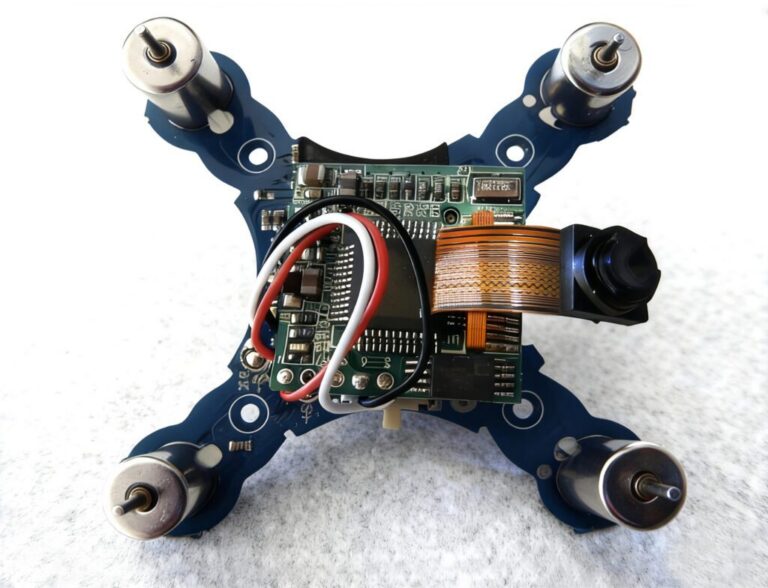
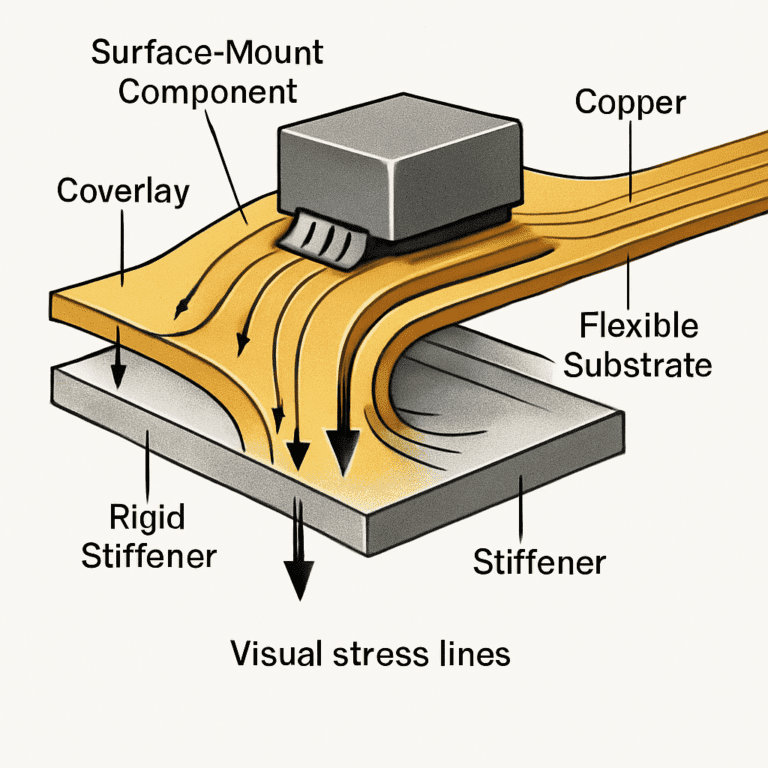
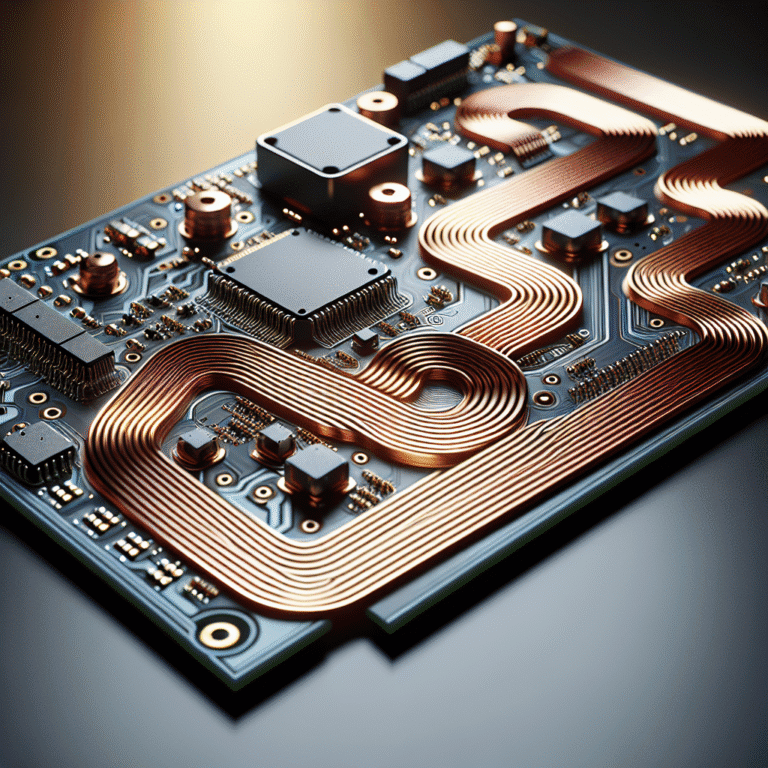
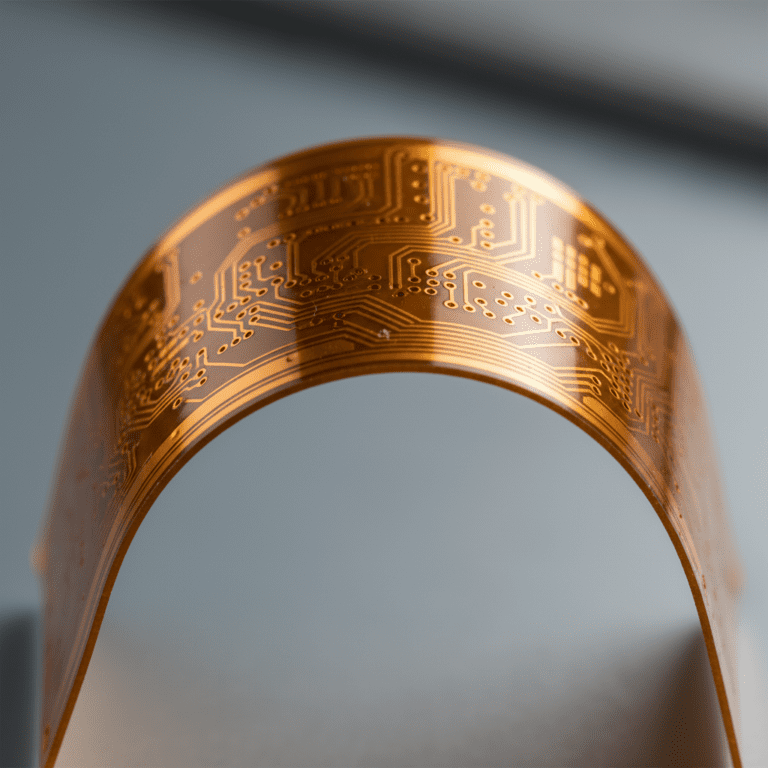
Fundamental flexible PCB design principles informed by real manufacturing constraints. Topics include layout strategies, material selection, stackup planning, and process limitations that impact yield, reliability, and manufacturability in flexible circuit production.

Automotive Flex PCB Design: Why 60% of Failures Start Before Manufacturing

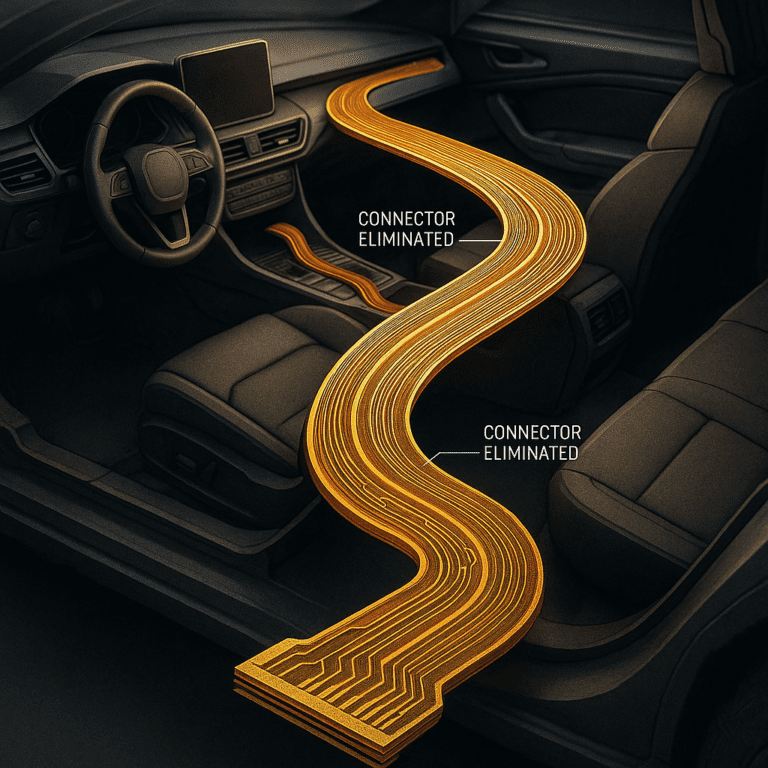
Industry data shows 60% of automotive flex PCB failures stem from design-phase mistakes, not manufacturing defects. Learn the critical bend radius, impedance control, and material selection decisions that determine reliability—before your first prototype fails. Engineers must design to IPC-6013 Class 3 and ISO 16750 from day one. #Automotive Flex PCB
Professional PCB Design Service: Why Your Manufacturing-Ready Files Determine 60% of Production Success

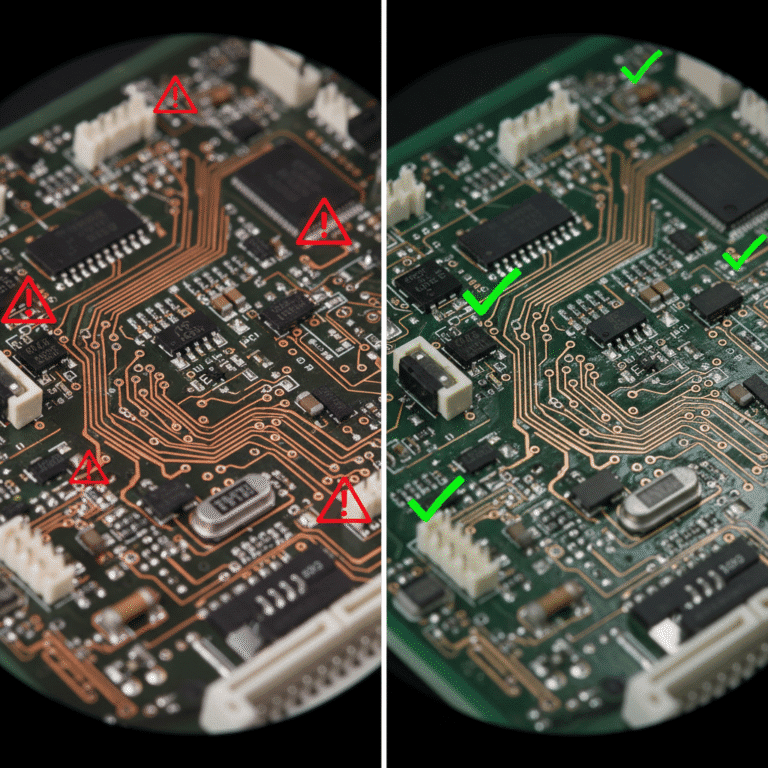
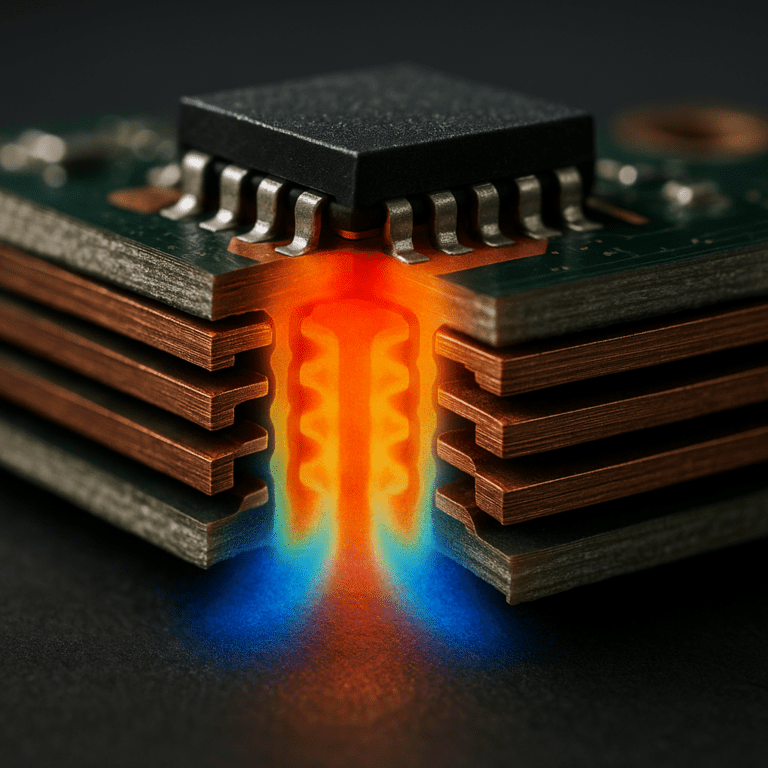
Manufacturing-ready PCB files determine 60% of production success, yet many designs fail from preventable flaws. Professional design services transform concepts into reliable products through systematic engineering that balances electrical performance, thermal management, and manufacturability. The right partnership eliminates costly iterations and accelerates time-to-market. #pcb design service

Wearable Technology FPCB: Why Your Fitness Tracker Bends But Doesn’t Break

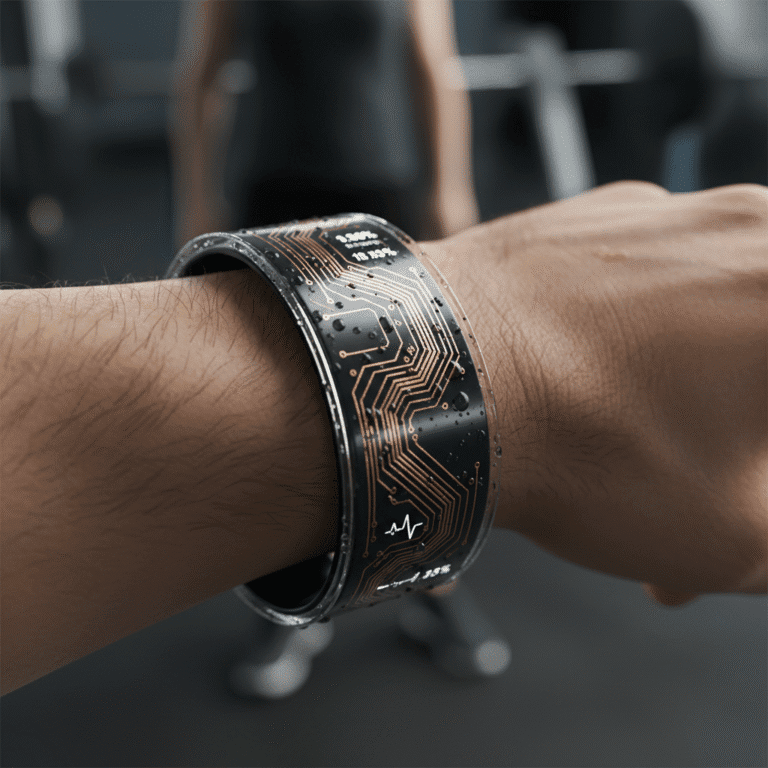
From bending 10,000 times monthly to surviving sweat and water immersion, your fitness tracker’s durability stems from engineered FPCBs using polyimide substrates, precise trace routing, and rigorous flex testing exceeding 100,000 cycles—transforming wearable reliability from impossible to invisible. #Wearable Technology FPCB

Scroll to Top