FPCB Manufacturing

Comprehensive knowledge and manufacturing insights covering flexible PCB fabrication processes, materials, and quality control. From raw substrate preparation to final inspection, this category reflects real-world production practices used to manufacture high-performance flexible circuits for industrial and commercial applications.

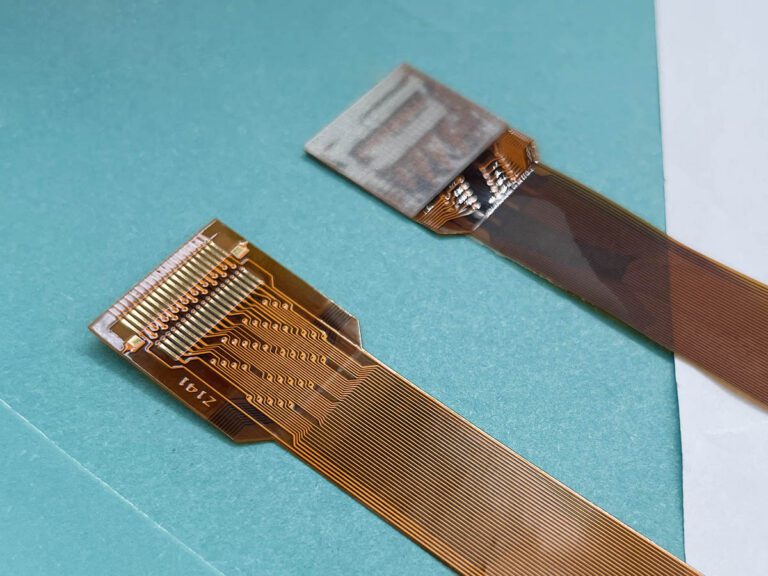
High-reliability polyimide flexible PCB material compared with alternative substrates for long-term performance

Pyralux vs Alternative Substrates: Which Flexible PCB Material Actually Saves You Money in the Long Run?

Choosing the right flexible PCB material isn’t about initial costs—it’s about total ownership value. Pyralux delivers unmatched thermal stability and reliability for demanding applications, while alternatives like PET serve specific niches. Smart material selection prevents costly field failures in EVs, medical devices, and aerospace systems where performance matters most.

#pyralux vs alternative substrates

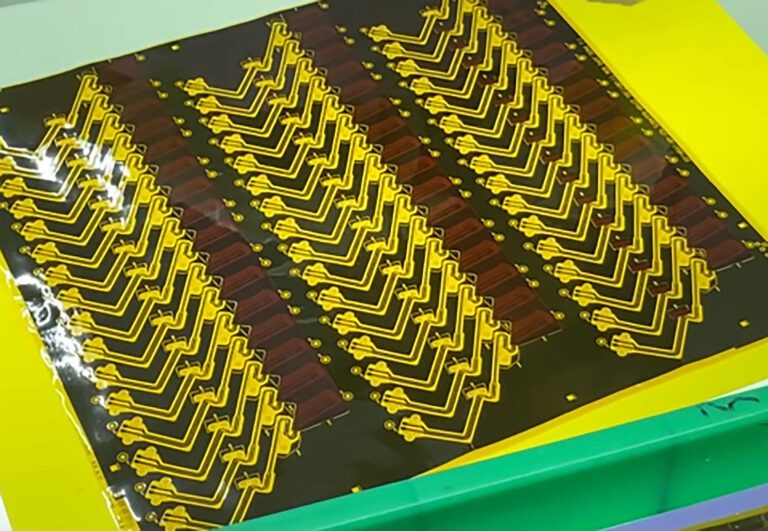
10 Flexible PCB Design Mistakes That Cause 87% of Early Field Failures

Engineers unknowingly embed future failures when designing flex circuits. Industry data shows 87% of early field failures stem from ten preventable design errors—from improper bend radii to inadequate moisture protection. Learn how strategic design choices eliminate these costly mistakes before production begins. #flexible PCB design mistakes

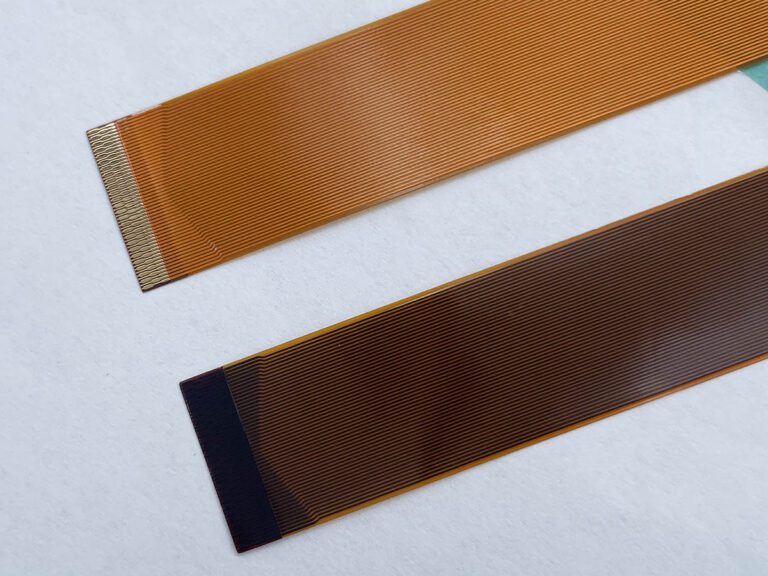
Extra-Long Flex Circuit Manufacturing: Why Length Changes Everything in FPC Production

Extra-long flex circuits aren’t just bigger versions of standard FPCs—they’re entirely different engineering challenges. When circuits stretch to 1.6-4 meters, impedance control, material stability, and mechanical fatigue demand specialized manufacturing expertise that transforms how we approach flexible electronics production.

#extra long flex circuit manufacturing

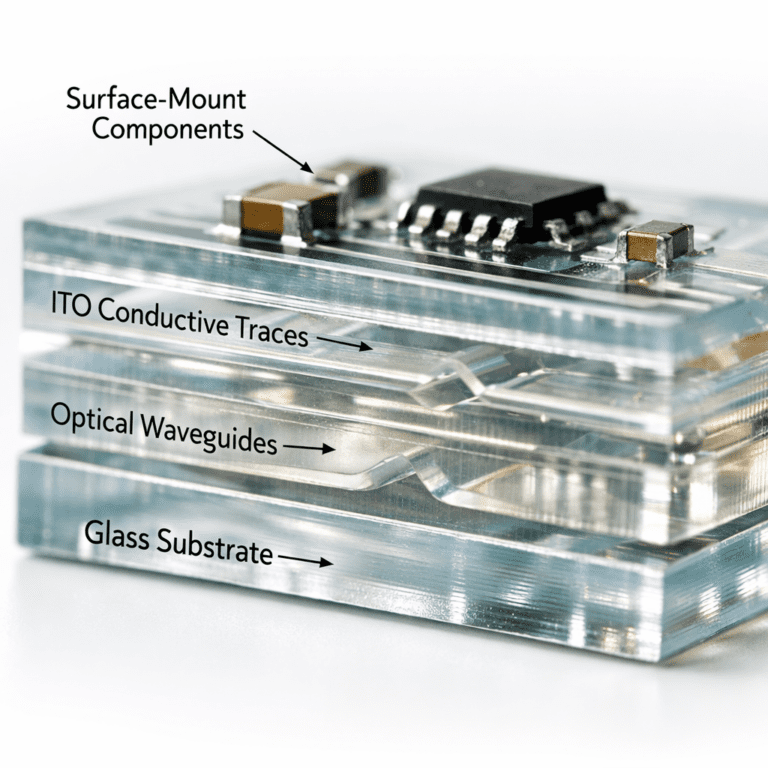
Optical Transparent Circuit Boards: Why AR Glasses and Medical Wearables Still Struggle with Manufacturing Scale

AR glasses and medical wearables face a critical hurdle: optical transparent circuit boards remain trapped in low-volume production. Material incompatibilities, thermal constraints, and lack of manufacturing standards create bottlenecks that innovation alone can’t solve. Here’s why scaling transparent PCBs demands more than better materials. #optical transparent circuit board

Scroll to Top