In today’s increasingly connected world, electronic devices have become an integral part of our daily lives. From the smartphones in our pockets to the advanced systems in electric vehicles, medical devices, and telecommunications infrastructure, the reliability of these technologies directly impacts our safety, convenience, and productivity. Yet beneath the sleek exteriors of these devices lies a hidden component that plays a crucial role in their performance and longevity: flexible printed circuit boards (Flex PCBs).
While most consumers never see these thin, bendable electronic pathways, the quality of Flex PCBs—and by extension, the credentials of the suppliers who manufacture them—can make or break a product’s reliability. This is where certified Flex PCB suppliers enter the picture as essential partners in electronics manufacturing excellence.
The Critical Role of Certified Flex PCB Suppliers
Flexible printed circuit boards represent a significant advancement in electronics design, offering advantages that rigid PCBs simply cannot match. Their ability to bend, fold, and fit into three-dimensional spaces has revolutionized product design across numerous industries. However, these benefits come with manufacturing complexities that demand specialized expertise and rigorous quality control.
In electric vehicle applications, for example, Flex PCBs power critical components like Head-Up Displays, wing mirrors, side CMS cameras, parking sensors, Lidar systems, and entry cameras. The harsh automotive environment—with its temperature extremes, vibration, and long service life expectations—requires exceptional durability from every component. A single failure in a flex circuit could lead to malfunctioning safety systems with potentially serious consequences.
Similarly, in medical devices, flex circuits enable life-saving technologies to fit within compact, ergonomic designs. From portable diagnostic equipment to implantable devices, medical electronics demand biocompatible materials, extreme reliability, and compliance with stringent regulatory standards. The stakes are literally life and death.
Telecommunications equipment faces different but equally demanding challenges. The infrastructure supporting our global communications networks requires components that can handle high frequencies, maintain signal integrity, and operate continuously for years without failure.
In all these applications, certified Flex PCB suppliers provide the expertise and quality assurance necessary to meet these challenges. But what exactly makes a supplier “certified,” and why does it matter?
The Importance of Industry Certifications for Flex PCB Suppliers
Certification isn’t just a badge or marketing tool—it represents a supplier’s commitment to meeting internationally recognized standards for quality, safety, and performance. For manufacturers seeking reliable Flex PCB partners, these certifications serve as critical indicators of a supplier’s capabilities and processes.
ISO 9001: The Foundation of Quality Management
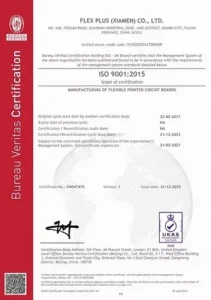
ISO 9001 represents the international standard for quality management systems. For Flex PCB manufacturers, ISO 9001 certification demonstrates their commitment to consistent quality through documented processes, regular audits, and continuous improvement. This certification encompasses everything from material handling and manufacturing procedures to testing protocols and customer service.
Working with an ISO 9001 certified Flex PCB supplier means your products benefit from:
– Consistent manufacturing processes
– Documented quality control procedures
– Traceability throughout production
– Systematic problem-solving methodologies
– Regular internal and external quality audits
IPC Standards: Industry-Specific Excellence
While ISO 9001 covers general quality management, IPC standards address the specific technical requirements of electronic interconnections, including Flex PCBs. These standards, developed by the Association Connecting Electronics Industries (IPC), provide detailed guidelines for design, materials, manufacturing processes, and performance criteria.
Key IPC standards for Flex PCBs include:
IPC-6013: This standard specifically addresses qualification and performance specifications for flexible printed boards. It defines inspection criteria, testing methods, and performance requirements based on product classes (from consumer electronics to mission-critical applications).
IPC-2223: Focusing on design, this standard provides guidelines for flex circuit design including materials selection, dimensioning, and bend radius calculations.
IPC-4203: This standard specifies requirements for cover materials used in flexible circuits, addressing adhesives, coverlay films, and other protective elements crucial for flex circuit reliability.
IPC-4204: Covering base materials for flexible circuits, this standard addresses the various polymers and substrates that form the foundation of flex PCBs.
A supplier certified to these IPC standards demonstrates their ability to manufacture Flex PCBs that meet rigorous industry requirements for durability, performance, and reliability.
Industry-Specific Certifications
Beyond general quality and electronic manufacturing standards, certified Flex PCB suppliers often maintain additional certifications relevant to specific industries:
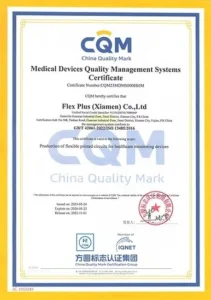
ISO 13485: For medical device applications, this certification ensures that the supplier meets quality management requirements specific to medical device manufacturing.
IATF 16949: Critical for automotive applications, this certification builds on ISO 9001 with additional requirements for automotive industry suppliers.
ISO 14001: This environmental management certification demonstrates a supplier’s commitment to sustainable manufacturing practices.
Compliance Standards and Testing Methods for Flex PCBs
The reliability of Flex PCBs depends on thorough testing throughout the design and manufacturing process. Certified suppliers implement comprehensive testing protocols based on industry standards to ensure performance under real-world conditions.
Electrical Testing
Electrical testing verifies that circuits function as intended without shorts or opens. For Flex PCBs, this typically includes:
Continuity and Isolation Testing: Verifies electrical connections are intact and properly isolated from one another.
High-Potential (Hi-Pot) Testing: Confirms insulation integrity by applying voltages higher than operational levels.
Impedance Testing: Measures the circuit’s resistance to alternating current flow, crucial for high-frequency applications.
Mechanical Testing
Flex PCBs face unique mechanical stresses due to their bendable nature. Mechanical testing evaluates their ability to withstand these stresses:
Flex Testing: Simulates repeated bending to verify durability during dynamic applications.
Peel Strength Testing: Measures the adhesion between copper conductors and the substrate material.
Thermal Stress Testing: Evaluates performance during temperature cycling that mimics real-world conditions.
Material and Environmental Testing
The materials used in Flex PCBs must withstand various environmental factors:
Thermal Shock Testing: Subjects circuits to rapid temperature changes to test material stability.
Humidity Testing: Evaluates performance in high-humidity environments that can affect material properties.
Chemical Resistance Testing: Verifies resistance to solvents and other chemicals encountered during assembly or use.
Certified Flex PCB suppliers maintain specialized equipment and trained personnel to conduct these tests according to industry standards. Their testing capabilities ensure that the Flex PCBs they produce will perform reliably in their intended applications.
Benefits of Working with Certified Flex PCB Suppliers
Partnering with certified Flex PCB suppliers offers numerous advantages beyond basic compliance:
1. Enhanced Product Reliability
Certified suppliers follow standardized processes that minimize defects and ensure consistency. This translates directly to more reliable end products with lower failure rates in the field. In critical applications like medical devices or automotive safety systems, this reliability can be literally lifesaving.
2. Risk Mitigation
Certification significantly reduces various risks in the electronics manufacturing supply chain:
– Technical risk: Certified processes minimize design and manufacturing defects
– Supply chain risk: Documented procedures ensure consistent output even with personnel changes
– Regulatory risk: Proper certifications support compliance with industry regulations
3. Design Expertise and Support
Certified Flex PCB suppliers typically offer valuable design guidance based on their deep understanding of materials, manufacturing processes, and industry standards. This expertise can help optimize designs for both performance and manufacturability, reducing development cycles and improving outcomes.
For example, a certified supplier’s engineering team might suggest alternative stack-up configurations that improve signal integrity while reducing material costs, or recommend design modifications that enhance durability in high-flex applications.
4. Cost Efficiency
While certified suppliers may not always offer the lowest upfront pricing, they typically deliver superior value through:
– Lower defect rates and rework costs
– Reduced testing requirements at the OEM level
– Fewer field failures and warranty claims
– Longer product lifespans
5. Market Access and Competitive Advantage
Products built with components from certified suppliers often enjoy easier regulatory approval and greater market acceptance. For OEMs in regulated industries like medical devices or automotive electronics, this can significantly accelerate time-to-market and expand market opportunities.
Making the Right Choice: Selecting a Certified Flex PCB Supplier
When evaluating potential Flex PCB suppliers, manufacturers should consider several factors beyond basic certification status:
1. Relevant experience: Look for suppliers with proven experience in your specific industry and application requirements.
2. Technical capabilities: Assess whether the supplier’s equipment, materials, and processes can meet your product’s technical requirements.
3. Quality metrics: Request data on defect rates, on-time delivery, and customer satisfaction metrics.
4. Design support: Evaluate the level of design assistance and DFM (Design for Manufacturing) guidance offered.
5. Communication and responsiveness: Effective collaboration requires clear, timely communication throughout the project lifecycle.
6. Continuous improvement: The best suppliers continuously invest in new technologies and process improvements.
For many manufacturers, working with a vertically integrated supplier like Flex Plus (Xiamen) Co., Ltd. provides significant advantages. With complete in-house manufacturing control from design through testing, such suppliers can ensure consistent quality and provide comprehensive support throughout the product lifecycle.
Conclusion: The Value of Certification in Electronics Manufacturing
In an industry where miniaturization continues to push the boundaries of what’s possible, the quality and reliability of flexible circuits have become more critical than ever. Certified Flex PCB suppliers serve as essential partners in this landscape, providing not just components but confidence in the performance and longevity of electronic products.
From electric vehicles and medical devices to telecommunications infrastructure and consumer electronics, the hidden flexible circuits that enable modern technology depend on the expertise and quality assurance that only certified suppliers can provide. As electronic products continue to evolve in complexity and importance, the value of these certified partnerships will only increase.
For manufacturers committed to quality, reliability, and innovation, selecting certified Flex PCB suppliers isn’t just a procurement decision—it’s a strategic investment in product excellence and customer satisfaction. By recognizing the significance of these often-overlooked quality marks, electronics manufacturers can ensure that their products deliver the performance and durability that modern applications demand.