
In today’s rapidly evolving technological landscape, selecting the right flexible printed circuit board (Flex PCB) can make all the difference between a breakthrough product and a missed opportunity. As electronic devices become increasingly compact, lightweight, and adaptable to complex shapes, understanding the various flex PCB types becomes crucial for engineers, designers, and product developers across industries. The right choice not only enhances performance but also optimizes costs and accelerates time-to-market.
Whether you’re developing next-generation electric vehicles, cutting-edge medical devices, or revolutionary aerospace components, the foundation of your innovation often lies in the flexible circuitry that powers it. Let’s explore the world of flex PCB types and discover which solution might be the perfect fit for your next groundbreaking project.
Understanding Flex PCB Types: The Building Blocks of Modern Electronics
Flexible PCBs have transformed electronics manufacturing by enabling circuit boards to bend, fold, and twist while maintaining electrical integrity. This revolutionary technology comes in several distinct types, each with unique characteristics designed to address specific application requirements.
Single-Sided Flex PCBs
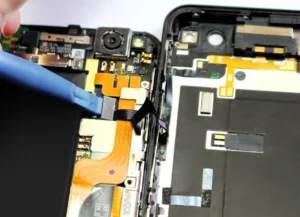
The simplest form of flexible circuitry, single-sided flex PCBs consist of a dielectric substrate (typically polyimide), a single copper conductive layer, and a protective coverlay.
Structure:
- Single conductive copper layer
- Polyimide substrate (usually 25-125μm thick)
- Protective coverlay or solder mask
- Overall thickness typically ranges from 0.1mm to 0.2mm
Applications:
Single-sided flex PCBs excel in applications requiring basic circuitry, minimal space, and cost-efficiency. They’re commonly used in:
- Simple consumer electronics like keyboards and calculators
- Basic medical sensors and wearable devices
- Smart helmet display systems requiring lightweight components
- Entry-level drone components
- Simple automotive displays and controls
The beauty of single-sided flex PCBs lies in their simplicity. For instance, in beauty tech gadgets like smart facial massage devices, these circuits provide the perfect balance of flexibility and functionality while keeping costs down. Their thin profile makes them ideal for products where space is at a premium but circuit complexity is relatively low.
Double-Sided Flex PCBs
Double-sided flex PCBs introduce a second conductive layer, dramatically increasing routing density and circuit complexity while maintaining impressive flexibility.
Structure:
- Two conductive copper layers
- Polyimide substrate between layers
- Plated through-holes (vias) connecting both sides
- Protective coverlay on both sides
- Typical thickness between 0.15mm and 0.3mm
Applications:
Double-sided flex PCBs serve as the backbone for numerous sophisticated applications:
- Smartphone camera modules and display interconnects
- Advanced medical devices including portable diagnostics
- Industrial control systems with moderate complexity
- Augmented reality wearables
- Electric vehicle battery management systems
- Optical transceiver modules
In practical terms, double-sided flex PCBs have revolutionized products like AI glasses and AR wearables, where complex circuitry must conform to the ergonomic requirements of head-mounted displays. These circuits allow designers to route signal paths intelligently while maintaining the comfort and lightweight profile essential for all-day wearability.
Multilayer Flex PCBs
For the most demanding applications, multilayer flex PCBs provide unparalleled circuit density, signal integrity, and performance.
Structure:
- Three or more conductive layers (typically 3-8 layers)
- Multiple polyimide substrates bonded together
- Complex via structures (through, blind, and buried)
- Sophisticated layer-to-layer registration
- Overall thickness typically 0.2mm to 0.6mm
Applications:
Multilayer flex PCBs power the most advanced electronic systems:
- Aerospace navigation and control systems
- High-end medical imaging equipment
- Electric vertical takeoff and landing (eVTOL) vehicle controls
- Advanced telecommunications infrastructure
- Military-grade equipment requiring high reliability
- Sophisticated industrial automation systems
Take, for example, the growing field of low-altitude airspace innovation. eVTOL vehicles and advanced aerial logistics systems require exceptional circuit density and signal integrity within strict weight limitations. Multilayer flex PCBs deliver this unique combination, enabling next-generation air mobility solutions that were previously impossible with conventional rigid circuits.
Comparative Analysis: Choosing the Right Flex PCB Type
Selecting the optimal flex PCB type requires balancing several key factors including complexity, physical properties, performance characteristics, and cost considerations. Let’s examine how each type compares:
Complexity and Design Freedom
Single-Sided: Limited routing options with only one conductive layer; suitable for simple circuits with minimal crossing traces. Component mounting is restricted to one side only.
Double-Sided: Significantly enhanced routing capabilities with vias connecting both layers. Allows for much more complex designs while maintaining relatively simple manufacturing processes.
Multilayer: Maximum design freedom with multiple routing layers. Ideal for high-density interconnects, controlled impedance requirements, and complex mixed-signal designs.
Flexibility, Durability and Reliability
Single-Sided: Offers the greatest flexibility with the smallest bend radius (typically 1-3mm). Excellent for dynamic applications requiring frequent flexing, though copper fatigue can occur with repeated bending in the same location.
Double-Sided: Good flexibility with slightly larger minimum bend radius (typically 2-4mm). Through-hole vias can be stress points during flexing, requiring careful design consideration for dynamic applications.
Multilayer: More limited flexibility with larger bend radii (typically 4-10mm depending on layer count). Better suited for “flex-to-install” applications rather than continuous dynamic flexing. However, offers superior electrical reliability and signal integrity.
Cost Considerations
Single-Sided: The most economical option with straightforward manufacturing processes, lower material costs, and higher production yields. Ideal for high-volume, cost-sensitive applications.
Double-Sided: Moderate cost increase (typically 30-50% higher than single-sided) but delivers significantly enhanced functionality. Often represents the sweet spot between cost and performance.
Multilayer: The premium option with substantially higher costs due to complex manufacturing processes, additional materials, and lower yields. However, the added capabilities often justify the investment for advanced applications.
Industry-Specific Applications and Best Practices
Different industries have unique requirements that influence the selection of flex PCB types. Here’s how various sectors typically leverage different flex circuit technologies:
Electric Vehicle Manufacturing
The EV revolution demands reliable, space-efficient circuitry capable of withstanding harsh automotive environments. Double-sided and multilayer flex PCBs are predominant in this space, supporting:
- Battery management systems (typically multilayer)
- Head-up display interconnects (typically double-sided)
- Side-view camera modules (typically double-sided)
- Parking sensors and LIDAR systems (varying complexity)
The critical nature of automotive safety systems often justifies the investment in higher-end flex PCB types certified to IATF 16949 standards, ensuring reliability throughout the vehicle’s lifecycle.
Medical Device Innovation
Medical applications balance the need for miniaturization with absolute reliability. The choice of flex PCB type depends on the specific device:
- Wearable patient monitors (often single-sided or double-sided)
- Implantable devices (typically multilayer with biocompatible materials)
- Diagnostic imaging equipment (multilayer for signal integrity)
- Portable medical devices (double-sided for balance of complexity and cost)
ISO 13485 certification is essential for flex PCB manufacturers serving this sector, ensuring that circuits meet the stringent requirements for medical-grade electronics.
Aerospace and Defense
In aerospace applications, performance and reliability trump cost considerations:
- Navigation systems (multilayer for EMI shielding and signal integrity)
- Satellite communications (multilayer with specialized high-frequency materials)
- Aircraft control systems (multilayer with redundancy features)
- Military equipment (multilayer with enhanced durability specifications)
These applications typically require multilayer flex PCBs capable of performing reliably under extreme conditions while meeting strict military and aerospace standards.
Innovative Solutions for Modern Challenges
As industries evolve, so too do the requirements for flex PCB technology. Today’s most innovative products often demand customized solutions that go beyond standard flex PCB types.
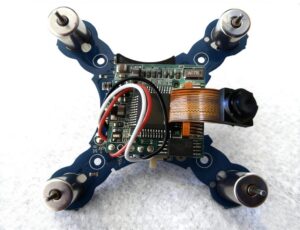
Long flex PCBs extending up to 3 meters in length are revolutionizing applications where traditional connectors would create reliability issues. Similarly, TPU (thermoplastic polyurethane) circuits provide stretchable, biocompatible solutions for wearable technology and advanced medical devices.
The integration of Chip-on-Board (COB) technology with flexible substrates represents another frontier in miniaturization. This approach enables direct mounting of ultra-thin chips onto flexible circuits, eliminating traditional packaging and dramatically reducing overall device thickness—crucial for applications like advanced beauty tech devices and next-generation wearables.
For applications requiring both flexibility and structural rigidity, rigid-flex PCBs combine the best of both worlds. These hybrid solutions integrate flexible circuit sections with rigid board areas, eliminating connectors and creating more reliable, space-efficient assemblies ideal for products like advanced smartphone modules and precision medical devices.
Making the Optimal Choice for Your Application
When selecting the right flex PCB type for your project, consider these key factors:
Circuit complexity: Assess your routing requirements and component density to determine whether single-sided circuitry suffices or if multiple layers are necessary.
Mechanical requirements: Evaluate the bend radius, flexibility requirements, and expected duty cycles. Dynamic applications with frequent flexing may favor simpler constructions.
Environmental conditions: Consider operating temperature ranges, exposure to chemicals or moisture, and mechanical stresses that may influence material selection.
Production volume and budget: Balance performance requirements with cost considerations, particularly for high-volume consumer products.
Regulatory compliance: Ensure your selected flex PCB type can meet industry-specific certifications like ISO 13485 for medical devices or IATF 16949 for automotive applications.
Conclusion
The choice of flex PCB type fundamentally shapes the capabilities, reliability, and cost-effectiveness of electronic products. From single-sided designs offering simplicity and economy to sophisticated multilayer solutions enabling the most advanced applications, each flex PCB type serves distinct needs across industries ranging from consumer electronics to aerospace.
As electronic devices continue to evolve toward greater functionality in smaller, lighter, and more flexible form factors, understanding these fundamental flex PCB types becomes increasingly valuable. The right circuit foundation—whether single-sided, double-sided, or multilayer—can be the difference between a product that merely works and one that truly excels.
For complex applications requiring specialized expertise, partnering with experienced flex PCB manufacturers who understand the nuances of different circuit types is invaluable. Companies with comprehensive capabilities spanning design support, prototyping, and volume production can help navigate the challenges of selecting and implementing the optimal flex PCB solution for your next innovation.
The future of electronics is flexible—choosing the right flex PCB type is your first step toward being part of that future.